Book Appointment

Irregular and Delayed Periods: Diagnosis and Treatment in South Delhi

Irregular and Delayed Periods: Diagnosis and Treatment in South Delhi - Dr Sunita Arora
Menstrual Health & Reproductive Care

Irregular Periods

Most women notice at some point that their period is late, early or unpredictable. An occasional change is common and often harmless, but periods that are repeatedly irregular, very delayed or absent can signal an underlying hormonal, medical or structural problem, and they can also affect your chances of conceiving. Finding the cause is usually the first step to the right treatment.

This page explains what counts as a regular cycle, the common causes of irregular or delayed periods, when to see a doctor, how the problem is diagnosed and how it is treated. It is general educational information. The right plan can only be decided after a personal consultation.

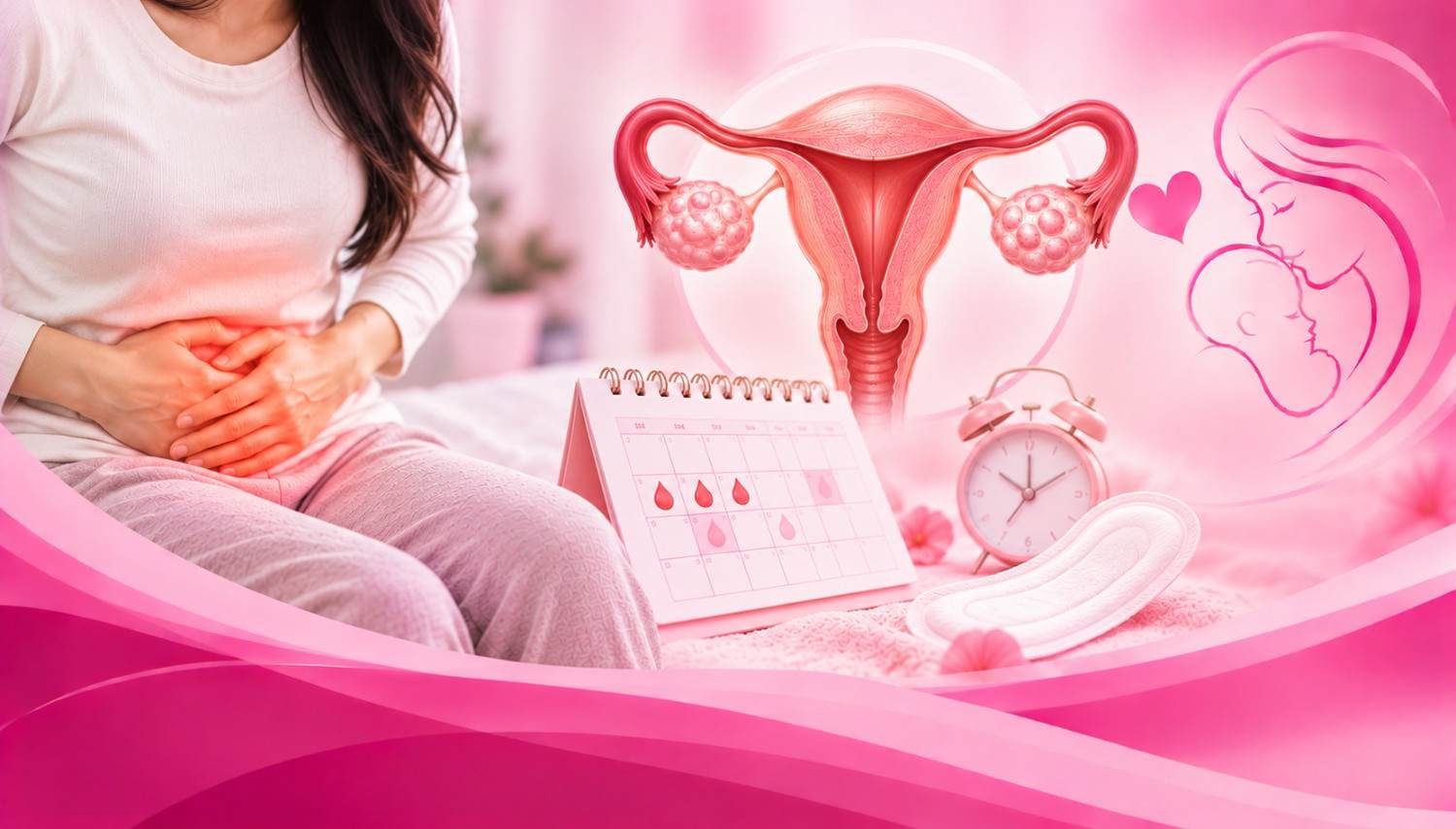
What Is a Normal Menstrual Cycle?

The menstrual cycle is counted from the first day of one period to the first day of the next. In most adult women the cycle lasts between about 21 and 35 days, and bleeding usually lasts for around two to seven days. Cycles can be a few days shorter or longer from month to month, and they are often irregular in the first years after periods begin and in the years approaching menopause.

Doctors use several terms to describe menstrual irregularity:

Oligomenorrhoea: infrequent periods, with cycles longer than about 35 days.
Amenorrhoea: absent periods, for example no period for three months or more in a woman who previously had regular cycles, or no periods at all by the mid-teens.
Polymenorrhoea: frequent periods, with cycles shorter than about 21 days.
Abnormal uterine bleeding: heavy, prolonged or unpredictable bleeding, including bleeding between periods.

When Should You See a Doctor?

Please consult a gynaecologist if:

You have missed periods for three months or more, or you are not sure whether you are pregnant.
Your cycles are repeatedly shorter than 21 days or longer than 35 days.
Your periods are very heavy, last more than seven days, or you pass large clots.
You bleed between periods, after intercourse or after menopause.
You have not started your periods by about 15 years of age.
You have severe period pain, excess hair growth, acne, milk discharge from the breasts, or unexplained weight changes.
You are trying to conceive and your periods are irregular.

Common Causes of Irregular or Delayed Periods

Understanding the hormonal, lifestyle, medical, and structural factors that can disrupt your menstrual cycle.

Pregnancy

A delayed period in a woman who is sexually active should first be checked with a pregnancy test. Pregnancy is the most common reason for a missed period, and an early scan is needed if there is pain or bleeding.

Polycystic Ovary Syndrome (PCOS)

PCOS is one of the most common causes of irregular periods. Ovulation happens infrequently or not at all, which leads to long, unpredictable cycles. It may be accompanied by acne, excess facial or body hair, scalp hair thinning or weight gain.

Thyroid Disorders

An underactive or overactive thyroid can disturb the cycle, leading to delayed, scanty, heavy or missed periods.

Raised Prolactin

High levels of prolactin, a hormone linked to milk production, can interfere with ovulation and stop periods. It may be caused by a small pituitary growth, medicines, thyroid disease or stress.

Stress, Weight Change and Intense Exercise

Significant stress, rapid weight loss or gain, low body weight, restrictive diets and very intense exercise can switch off the signals from the brain that drive ovulation, causing missed or absent periods.

Perimenopause and Premature Ovarian Insufficiency

Approaching menopause, cycles become irregular as ovulation becomes less predictable. When the ovaries stop functioning normally before the age of 40, a condition called premature ovarian insufficiency, periods may become irregular or stop, and this needs medical evaluation.

Medicines and Contraception

Hormonal contraceptives, emergency contraception, certain psychiatric medicines and other drugs can affect the cycle. Periods may take time to settle after stopping hormonal contraception.

Uterine and Structural Causes

Fibroids, polyps, adenomyosis and, in some women, scarring inside the uterus after procedures or infection can cause irregular or abnormal bleeding or very light periods.

Other Medical Conditions

Chronic illness, diabetes, severe anaemia, eating disorders and some other hormonal conditions can also affect menstruation.

How Menstrual Irregularities Are Diagnosed

A step-by-step clinical evaluation combining your medical history, blood tests, and imaging to pinpoint the exact cause.

Step 01

Detailed History and Examination

Your doctor will ask about your cycle pattern, the amount and duration of bleeding, pain, weight changes, stress, exercise, medicines, past pregnancies and family history. A general and, where appropriate, pelvic examination is done.

Step 02

Pregnancy Test

A urine or blood pregnancy test is usually the first step if there is any chance of pregnancy.

Step 03

Blood Tests

Depending on your history, blood tests may include thyroid function, prolactin, reproductive hormones such as FSH, LH and estradiol, AMH, androgens, blood sugar and a haemoglobin check. The timing of some tests depends on the cycle phase.

Step 04

Pelvic Ultrasound

An ultrasound examines the uterus and ovaries, looks for fibroids, polyps or cysts, measures the endometrial thickness, and checks for features of PCOS.

Step 05

Further Evaluation When Needed

Hysteroscopy, an endometrial sample or other tests may be recommended if there is heavy or abnormal bleeding, suspected structural problems, or when the lining needs to be examined.

Treatment of Irregular and Delayed Periods

Treatment depends on the cause, your age, whether you wish to conceive and your general health.

Targeted Management

Lifestyle, Medical & Hormonal Care

Lifestyle Measures: Achieving a healthy weight, balanced nutrition, regular exercise, adequate sleep and stress management can restore regular ovulation in many women, particularly those with PCOS or weight-related irregularity. Women who are underweight or exercise intensively may need to increase nutrition or reduce training.

Treating the Underlying Condition: Thyroid disorders and raised prolactin are treated with appropriate medicines, which often restore regular cycles. Fibroids, polyps and other structural problems may need medical or surgical treatment, including hysteroscopic or laparoscopic procedures where suitable.

Hormonal Treatment to Regulate Periods: For women who do not wish to conceive, hormonal medicines may be used to regulate the cycle and protect the uterine lining. In women who ovulate rarely, regular shedding of the lining is important, since long periods without bleeding can lead to thickening of the lining that needs evaluation. Your doctor will choose the medicine according to your age, symptoms and health.

Fertility & Follow-Up

Conception Support & Ongoing Care

Treatment When You Want to Conceive: If you are trying to conceive, treatment focuses on achieving ovulation. This may involve lifestyle changes, treatment of thyroid or prolactin problems and, where needed, ovulation-inducing medicines with ultrasound monitoring, followed by IUI or IVF in selected situations. Please see our pages on ovulation study and monitoring and on female infertility.

Counselling and Follow-Up: Periods may take a few cycles to settle after treatment. Regular follow-up helps to check that the treatment is working and to adjust it as needed.

Irregular Periods and Fertility: Irregular periods often mean irregular ovulation, which can make conception harder and less predictable. This does not mean that you cannot become pregnant. Many women with irregular cycles conceive after the cause is identified and treated. If you are planning pregnancy, it is sensible to seek advice early, particularly if you are over 35.

Specialist Expertise

Consult Dr. Sunita Arora for Menstrual Problems in South Delhi

Dr. Sunita Arora is an obstetrician, gynaecologist and fertility specialist with more than 23 years of experience. She holds an MBBS from Lady Hardinge Medical College, New Delhi, and an MD in Obstetrics and Gynaecology from UCMS and GTB Hospital, and she is a Fellow of the Indian College of Obstetricians and Gynaecologists (FICOG) and a Fellow of the International College of Surgeons (FICS). She completed a fellowship in Reproductive Medicine at D.Y. Patil University, Mumbai, and received IVF training at RMA, Mount Sinai, New York.

Her practice covers general gynaecology, pregnancy care, infertility and endoscopic surgery, and patients are guided through each step in clear, plain language.

If your periods are irregular, delayed or absent, or you are planning a pregnancy, a careful evaluation can identify the cause and guide treatment.

Clinic Locations

Book a Consultation

She consults at Safdarjung Enclave and is also associated with Fortis La Femme, Greater Kailash II, serving women across South Delhi, including Greater Kailash, Green Park, Hauz Khas and nearby areas.

01
Safdarjung Enclave

Dr Sunita Arora Fertility and Gynae Clinic

02
Greater Kailash II

Fortis La Femme, South Delhi

Book an appointment with Dr. Sunita Arora to discuss your concerns, and bring any previous reports and scans.

Frequently Asked Questions

Find answers to common questions about late or irregular periods, stress, PCOS, fertility, and treatment options.

Yes, an occasional delay of a few days is common and is often related to stress, illness, travel or changes in routine. If your period is late and you could be pregnant, take a pregnancy test. See a doctor if delays are frequent or if you miss several periods.

Yes. Emotional stress, illness, weight changes and disrupted sleep can delay ovulation and, with it, your period. If cycles do not settle once the stress passes, a medical evaluation is advised.

Not necessarily. PCOS is a common cause, but thyroid problems, raised prolactin, stress, weight changes and other conditions can also cause irregular periods. A proper evaluation is needed to confirm the diagnosis.

Yes, it is possible, but ovulation may be unpredictable, which can make conception take longer. Treatment to regulate ovulation can improve the chances, and your doctor can guide you.

Hormonal pills can regulate bleeding and are commonly used, but they do not treat the underlying cause, and periods may become irregular again after stopping. They are also not suitable for women who are trying to conceive. Your doctor will explain the options for your situation.

If you have missed a period and could be pregnant, test as soon as possible. If periods have been absent for three months, or are regularly delayed or very infrequent, please consult a gynaecologist.

Medical disclaimer: This page is for general educational purposes and does not replace personalised medical advice, diagnosis or treatment. Please consult a qualified doctor about your own health. If you have severe abdominal pain, heavy bleeding, fainting or fever, seek urgent medical care.