Abnormal bleeding, repeated miscarriages, difficulty conceiving or an unclear ultrasound finding inside the uterus can all lead to a recommendation for hysteroscopy. Many women feel anxious about the idea of a procedure inside the womb. Understanding what hysteroscopy involves, and why it is advised, can make the process much easier.
This page explains what hysteroscopy is, how diagnostic and operative hysteroscopy differ, the conditions it can detect and treat, what to expect before and after, and its benefits and risks. It is general educational information. Whether hysteroscopy is right for you can only be decided after a personal clinical assessment.

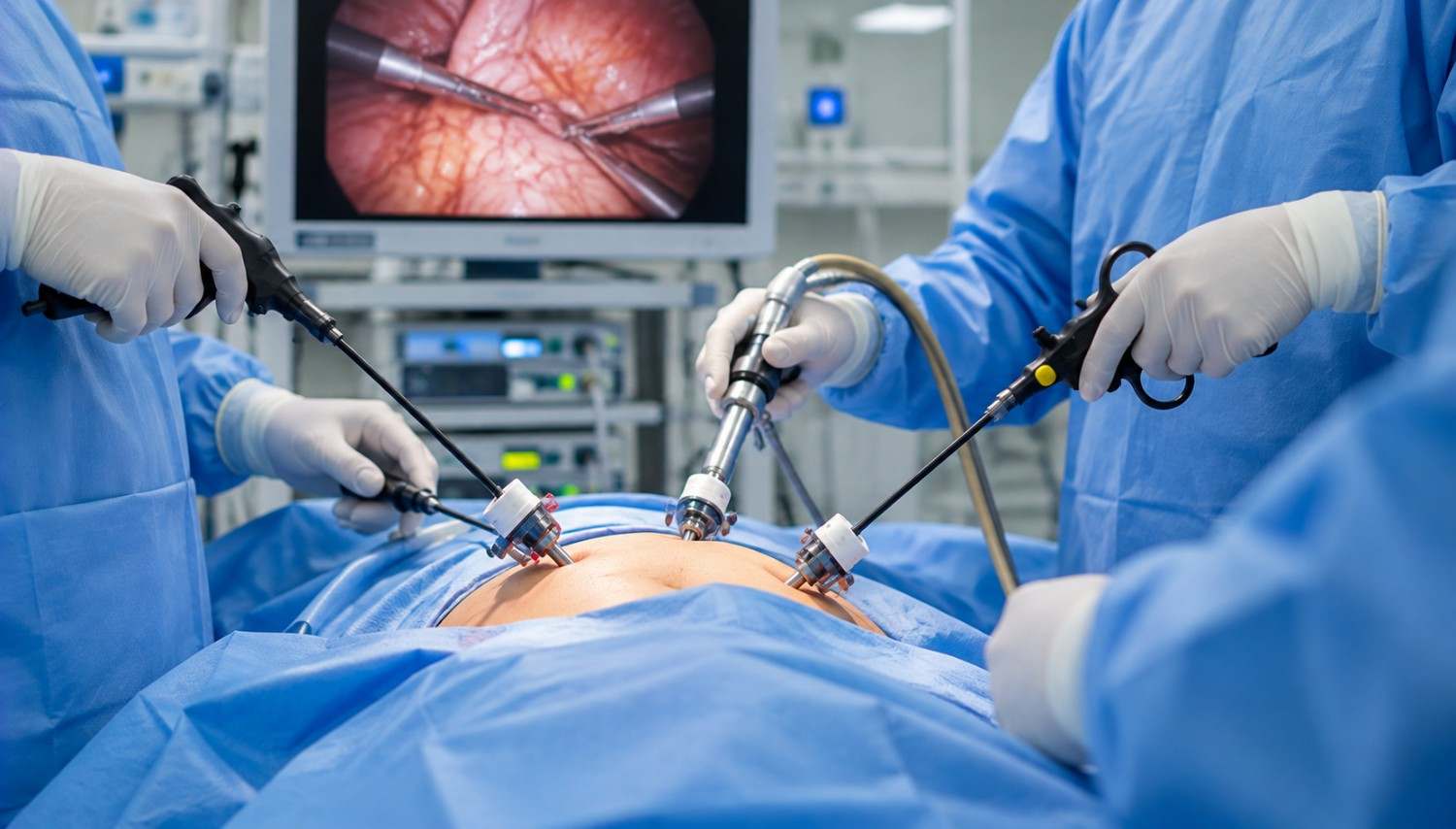
Hysteroscopy is a procedure that allows the doctor to look directly inside the uterus. A thin, lighted telescope called a hysteroscope is passed through the vagina and cervix into the uterine cavity. The uterus is gently distended with fluid or gas so the lining and the openings of the fallopian tubes can be seen clearly on a screen. No cut is made on the abdomen.
Because the doctor sees the cavity directly, hysteroscopy can detect problems that may be missed or only suspected on ultrasound or X-ray tests, and many can be treated at the same time.
Diagnostic hysteroscopy is used to examine the uterine cavity and find the cause of symptoms or test abnormalities. It is a relatively short procedure and, in suitable women, may be done with minimal or no anaesthesia, depending on the setting and your comfort. It may be advised in situations such as:
In operative hysteroscopy, small instruments are passed through the hysteroscope to treat the problem that is found. It is usually performed in an operation theatre, often under short anaesthesia or sedation, depending on the procedure. Common operative procedures include:
Endometrial or cervical polyps, which can cause abnormal bleeding or affect fertility, can be removed under direct vision.
Fibroids that bulge into the uterine cavity can be removed hysteroscopically in suitable cases, depending on their size and position.
A uterine septum, a band of tissue dividing the cavity, may be associated with miscarriage or pregnancy complications in some women. It can be divided hysteroscopically when treatment is clinically indicated.
Scar tissue inside the uterus, also known as Asherman syndrome, can cause light or absent periods and fertility problems. Adhesions can be divided hysteroscopically, followed by hormonal treatment and follow-up as advised.
Retained products after miscarriage or delivery, or a misplaced or embedded intrauterine device, can be removed under direct visualisation.
Your doctor will explain whether a diagnostic or operative approach, or a combination of both, is suitable for you.
Because the doctor sees the uterine cavity directly, hysteroscopy offers distinct clinical advantages in evaluating and managing intrauterine conditions.
The thin, lighted hysteroscope is passed naturally through the vagina and cervix into the uterine cavity, so no cut is made on the abdomen.
Allows the lining and the openings of the fallopian tubes to be seen clearly on a screen, detecting problems that may be missed or only suspected on ultrasound or X-ray tests.
Many intrauterine problems—such as polyps, submucosal fibroids, septa or adhesions—can be identified and treated at the same time under direct vision.
Most hysteroscopies are day-care procedures where women go home the same day and return to routine activities within a day or two.
Understanding how to prepare for hysteroscopy, what recovery involves, and how the procedure relates to your overall health and fertility goals.
Before the procedure, your doctor will review your history, examine you and advise relevant tests, such as ultrasound and blood tests. Hysteroscopy is often scheduled after your period ends, when the lining is thinner and the view is better, and a pregnancy must be excluded beforehand. Tell your doctor about any medicines, allergies, bleeding disorders, previous surgeries or possible pregnancy. If anaesthesia or sedation is planned, you will receive fasting instructions, and it is helpful to bring someone with you.
Most women go home the same day. Mild cramping similar to period pain and light bleeding or watery discharge for a few days are common. Many women return to routine activities within a day or two after a diagnostic procedure, while operative procedures may need a little more rest. Your doctor will advise on pain relief, hygiene precautions, and when it is safe to resume intercourse and to try to conceive.
When to seek care: Contact your doctor promptly, or seek urgent care, if you develop fever, severe or worsening abdominal pain, heavy bleeding, foul-smelling discharge or fainting.
Hysteroscopy is widely performed and is generally safe, particularly diagnostic hysteroscopy. As with any procedure, there are risks, including infection, bleeding, injury or perforation of the uterus, a reaction to anaesthesia and, uncommonly, complications related to the fluid used to distend the uterus during operative procedures. Scar tissue can sometimes re-form after adhesion surgery.
The uterine cavity must be healthy for an embryo to implant and grow. Polyps, fibroids inside the cavity, a septum or adhesions may interfere with this. When such a problem is found and treated, it may improve the uterine environment, but it does not guarantee pregnancy.
Hysteroscopy is usually recommended on the basis of your history and test findings rather than routinely for every woman, and your doctor will explain when it is likely to help, and when other options such as IUI or IVF should be considered.
Dr. Sunita Arora is an obstetrician, gynaecologist and fertility specialist with more than 23 years of experience. She holds an MBBS from Lady Hardinge Medical College, New Delhi, and an MD in Obstetrics and Gynaecology from UCMS and GTB Hospital, and she is a Fellow of the Indian College of Obstetricians and Gynaecologists (FICOG) and a Fellow of the International College of Surgeons (FICS). She completed a fellowship in Reproductive Medicine at D.Y. Patil University, Mumbai.
Her special interests include endoscopic surgery, infertility, IUI and IVF, and patients are guided through each step of evaluation and treatment in clear, plain language.
If you have abnormal bleeding, difficulty conceiving, repeated miscarriage or a scan finding inside the uterus and hysteroscopy has been suggested, an unhurried consultation can help you understand your options.
She consults at Safdarjung Enclave and is also associated with Fortis La Femme, Greater Kailash II, serving women across South Delhi, including Greater Kailash, Green Park, Hauz Khas and nearby areas.
Dr Sunita Arora Fertility and Gynae Clinic
Fortis La Femme, South Delhi
Book an appointment with Dr. Sunita Arora to review your reports and plan the next steps.
Find answers to common questions about diagnostic and operative hysteroscopy, timing, recovery, and safety.
Medical disclaimer: This page is for general educational purposes and does not replace personalised medical advice, diagnosis or treatment. Please consult a qualified doctor about your own health. If you have severe abdominal pain, heavy bleeding, fainting or fever, seek urgent medical care.